
What plumbers charge in Perth: call-out fees, hourly rates and what changes the price
By Julian Fischer · Updated 2026-07-10
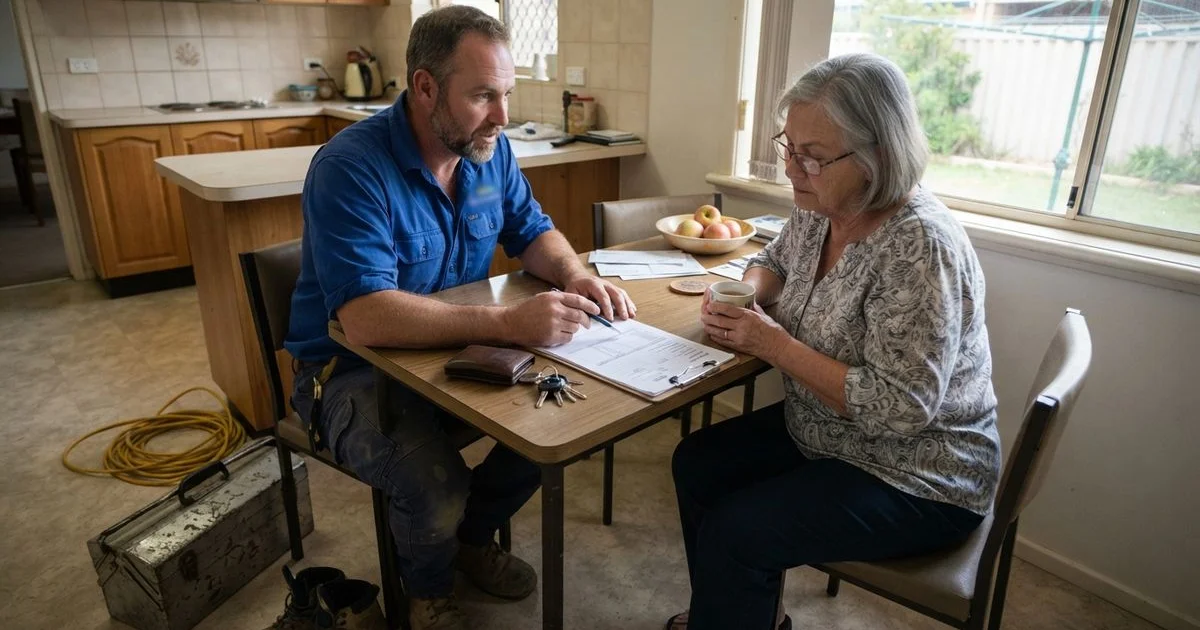
Every Perth homeowner who’s called a plumber has asked the same question before picking up the phone: what is this actually going to cost? The honest answer is that it depends on the job, but the way plumbers structure their pricing follows a fairly consistent pattern across the metro area, and knowing it makes the whole process less stressful.
How plumbers price a job
Most plumbers in Perth work on one of two models: an hourly rate plus a call-out fee, or a flat rate quoted for the whole job once they know what’s involved. The call-out fee covers the plumber turning up with a fully stocked van and typically sits in the same range regardless of what the job turns out to be. From there, labour is charged either by time or as a fixed job price, with materials added separately.
Reviewers across Perth listings consistently call out fair, transparent pricing as one of the biggest factors in whether they’d use a plumber again. It’s the single most common praise theme in the review data behind this directory, well ahead of anything else, which tells you pricing clarity matters more to customers than almost any other factor.
What actually changes the price
A handful of factors explain most of the difference between a cheap job and an expensive one:
- Time of day and day of the week. After-hours, weekend and public holiday call-outs usually carry a premium, sometimes close to double the standard rate.
- Access. A tap under an easily reached sink is quicker to fix than a fitting buried behind a shower wall or under a slab.
- Parts versus labour. A repair using stock parts is cheaper than one needing a special-order part or a full fixture replacement.
- Diagnosis time. If the plumber has to find the problem first, such as tracing a leak or locating a blockage, that adds time before the actual fix even starts.
- Compliance and certification. Gas work and some drainage jobs require sign-off paperwork, which is a legitimate part of the cost, not padding.
| Job type | Typical price driver | What keeps cost down |
|---|---|---|
| Tap or toilet repair | Parts availability, access | Booking during business hours |
| Blocked drain | Severity, whether a camera inspection is needed | Catching it before it becomes an emergency |
| Hot water system fault | Repair versus full replacement | Regular servicing history |
| Gas appliance connection | Distance from the existing gas point | Simple like-for-like swaps |
Getting a fair quote
Ask for a written estimate before the plumber starts, and if the price is hourly, ask roughly how long the job is expected to take. A plumber who’s reluctant to give any indication of cost over the phone, even a rough range, is worth being cautious about. It’s reasonable to call two or three plumbers for anything beyond a small repair, particularly for bigger jobs like a hot water system replacement or gutter work, where prices can vary more between operators.
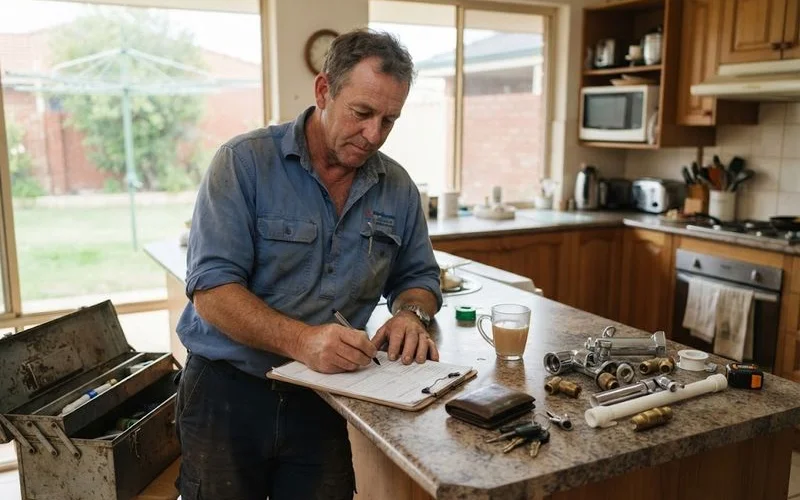
Treat any figures in this guide as ballpark ranges, not a quote for your specific job. Every property is different, and the only way to get an exact number is to have a licensed plumber look at the actual work involved.
When a higher quote is worth paying
The cheapest quote isn’t always the best value. A plumber who takes the time to explain what they found, quotes separately for anything beyond the original job rather than just adding it to the bill, and stands behind the work is usually worth a bit more upfront. Consistent five-star reviews over several years are a better signal of that kind of reliability than a single low quote.
Common billing surprises, and how to avoid them
Most pricing disputes come down to a handful of predictable situations rather than genuine dishonesty. A callout described as a “simple tap fix” turns out to need a part that’s not on the truck, meaning a second visit and a second fee. A job quoted by the hour runs longer than expected because access is tighter than described over the phone. Or a fixed quote turns out to have excluded materials, which then get added separately at the end.
The fix for most of these is the same: be specific when you first describe the problem, ask what the quote does and doesn’t include before the plumber starts, and get anything beyond the original scope confirmed verbally or in writing before they keep working. A plumber who pauses to explain a scope change and get your agreement, rather than just proceeding and billing for it afterward, is behaving the way the best-reviewed operators in this directory consistently do.
Materials versus labour
It’s worth understanding that most quotes split into two components: labour (the plumber’s time and expertise) and materials (the actual parts, fittings or pipe used). Labour is usually the bigger share of a small repair, while materials become a larger share of the total on bigger jobs like a hot water system or a full re-pipe. If a quote seems high, ask for the breakdown between the two rather than just the total, since it helps you see whether the cost is coming from time on site or from the parts themselves.
If you want to compare plumbers operating across Perth metro rather than pricing in the abstract, our directory of local plumbers is ranked using a published scoring methodology based on rating, review volume, recency and sentiment, not on who pays for placement.
Frequently asked questions
- Do all Perth plumbers charge a call-out fee?
- Most do, though it's sometimes folded into the first hour of labour rather than listed as a separate line. Ask upfront whether the call-out fee is on top of the hourly rate or included in it, so you're comparing like for like.
- Is it cheaper to get a flat quote or pay by the hour?
- A flat quote protects you if the job runs long, while an hourly rate can work out cheaper for something quick and simple. For anything more involved than a five-minute fix, ask for a flat price before work starts.
- Why did my quote go up after the plumber arrived?
- This usually happens when the job turns out bigger than described over the phone, such as a second fixture affected or parts that need replacing rather than repairing. A plumber should explain the change and get your sign-off before continuing.
- Are weekend and after-hours rates really that much higher?
- Often yes, sometimes close to double the standard rate. If a job can safely wait until the next business day, booking it in rather than calling an emergency line is usually the cheaper option.