
Backflow prevention rules in WA: when it's required and who's responsible
By Julian Fischer · Updated 2026-08-03
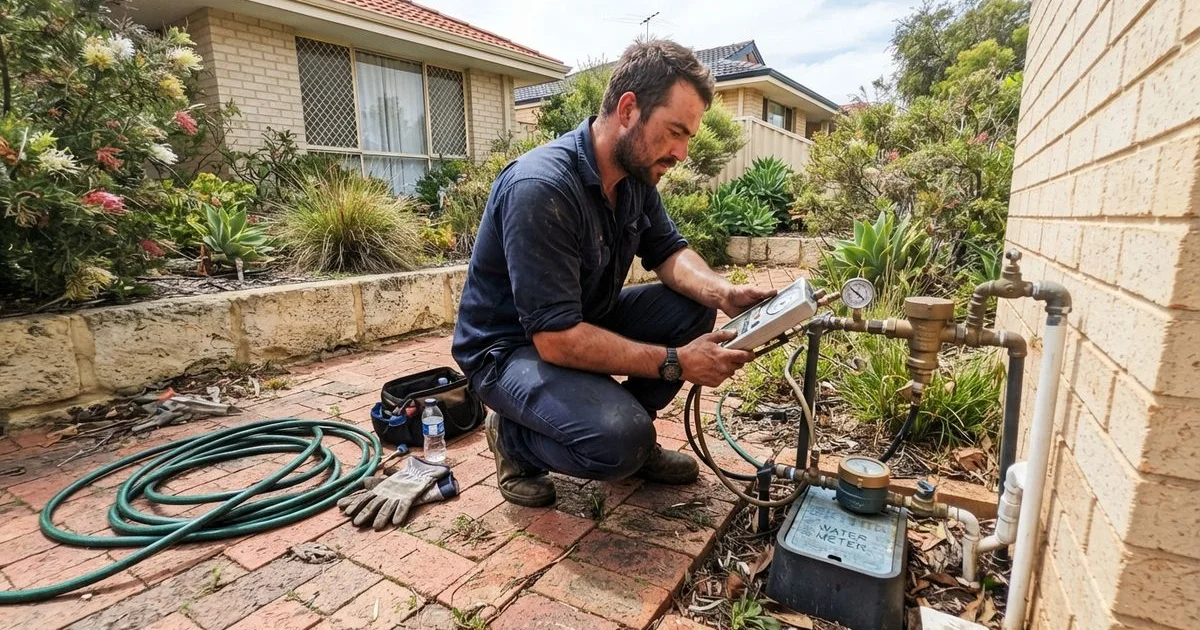
Backflow prevention isn’t something most homeowners think about until a water authority notice lands in the letterbox or a plumber flags it during other work. It’s a genuinely important piece of infrastructure though, and WA properties with certain connections are required to have it.
What backflow prevention actually protects against
Under normal conditions, water flows one way: from the mains into your property. If pressure in the mains drops suddenly, water can potentially flow backward from your property’s pipes, and if that water has come into contact with a pool, garden chemicals, irrigation systems or other non-potable sources, it risks contaminating the shared drinking water supply. A backflow prevention device is a valve or assembly that allows water to flow in only one direction, stopping that reverse flow before it happens.
When it’s required
Backflow prevention is typically required on properties with a higher contamination risk, which commonly includes:
- Properties with reticulation or irrigation systems connected to the mains supply
- Homes with swimming pools or spas filled from the mains
- Properties with certain commercial or hobby uses involving chemicals or non-potable water sources
- Some properties simply due to their connection type or location in the network
Your water retailer determines whether your specific property requires a device, and at what level of protection, based on the assessed risk. If you’re renovating, adding a pool, or installing reticulation, this is a good point to check whether backflow prevention needs to be added or upgraded.
Testing and ongoing responsibility
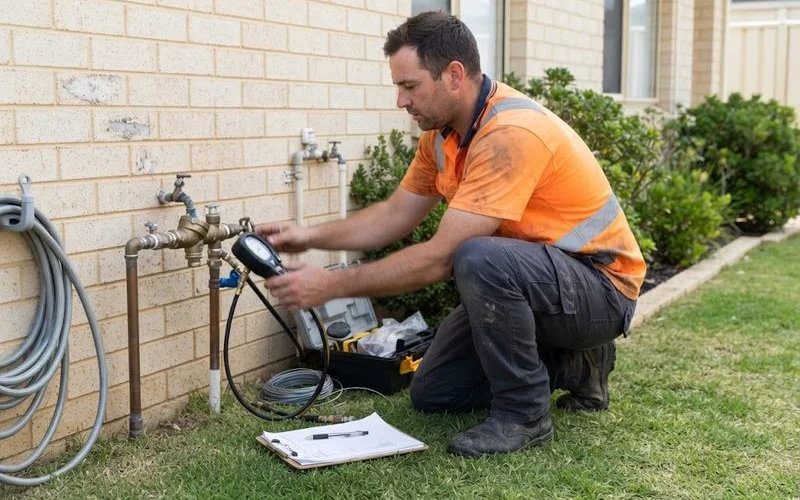
Testable backflow devices need periodic testing by a qualified plumber to confirm they’re still working correctly, since a device that’s failed silently offers no protection at all. The property owner is responsible for arranging this testing and for any repairs or replacement if a device fails. Your water authority will typically notify you of the testing schedule that applies to your property and device type. On a rental, that maintenance responsibility follows the same landlord-pays principle covered in our guide to landlord and tenant plumbing responsibilities.
| Situation | Backflow risk | Typical requirement |
|---|---|---|
| Reticulation or irrigation connected to mains | Higher | Device usually required |
| Pool or spa filled from mains | Higher | Device often required |
| Standard residential connection, no special fixtures | Lower | May not be required |
| Certain commercial or hobby chemical use | Higher | Device usually required |
How the device is fitted
Installation is generally straightforward for a licensed plumber: the device is fitted at the point of highest risk, commonly near the water meter, at the boundary connection, or immediately before a specific fixture like a pool fill or reticulation controller. The plumber selects the assembly type based on the level of contamination risk your property presents, since a simple check valve suits a lower-risk situation while a higher-risk connection, such as an irrigation system using recycled or bore water alongside mains, typically needs a stronger assembly like a reduced pressure zone device.
What happens if a device fails or isn’t maintained
A backflow device that fails silently offers no protection at all, which is why testable devices are checked periodically rather than installed and forgotten. If a test finds a device isn’t sealing properly, it needs prompt repair or replacement, since a failed device leaves the shared water supply exposed to exactly the contamination risk it was installed to prevent. Water authorities take non-compliance seriously given the public health stakes involved, so keeping on top of test schedules is worth treating as routine maintenance rather than an optional extra.
What to do if you’re not sure
A licensed plumber can assess your property’s connections and confirm whether a backflow prevention device is required, whether an existing one needs upgrading, and what testing schedule applies. This is worth sorting out proactively rather than waiting for a compliance notice, particularly if you’re planning renovation work that touches your water connections.
This is general information about how backflow prevention typically works in WA, not a substitute for advice from your water retailer or a licensed plumber about your specific property.
To find a licensed plumber who can assess your property, our plumber category ranks Perth operators using our published scoring methodology, and the full directory covers other trades if your project needs more than one.
Frequently asked questions
- Does every Perth home need a backflow prevention device?
- Not every property, but many do, particularly homes with reticulation systems, pools, or other connections that could let non-potable water flow back toward the mains. Your water retailer can confirm whether your property is required to have one.
- How often does a backflow device need testing?
- Testable backflow prevention devices generally need periodic testing by a qualified plumber, with the exact frequency set by your water authority's requirements for the specific device type installed. Check your latest notice or ask your plumber for the schedule that applies to your property.
- Who is responsible for maintaining a backflow device, the homeowner or the water authority?
- The property owner is generally responsible for installing, maintaining and arranging testing of backflow prevention devices on their property, since the device protects the shared water supply that everyone relies on.
- What happens if a required backflow device isn't installed?
- This can create a compliance issue with your water authority and, more importantly, a real contamination risk to the drinking water supply. If you're unsure whether your property needs one, it's worth getting a licensed plumber to check.