
Landlord and tenant plumbing responsibilities in WA: who pays for what
By Julian Fischer · Updated 2026-07-31
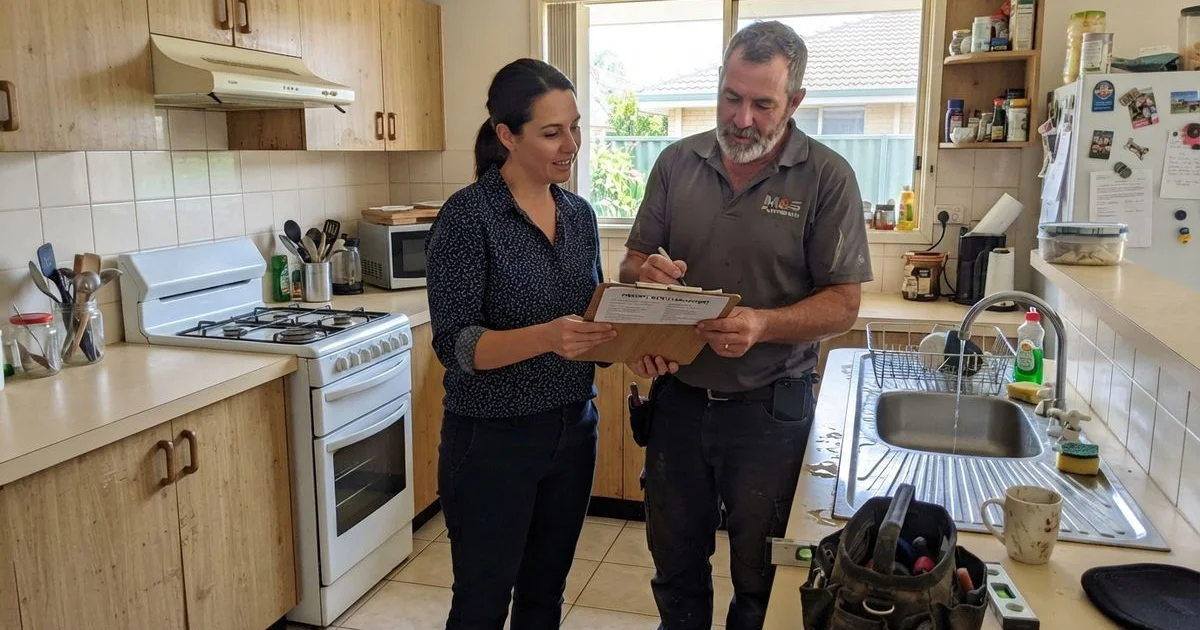
Plumbing problems in a rental are one of the most common flashpoints between tenants and landlords, mostly because people aren’t sure who’s supposed to call the plumber, or who’s supposed to pay for it. The general principles are consistent across WA, even though the details of any specific tenancy sit in the lease agreement.
The general rule
As a starting point, plumbing infrastructure and fixtures are part of the property, and maintaining them is the landlord’s responsibility. This covers things like pipes, hot water systems, toilets, taps and drainage. A tenant is generally responsible for damage caused by their own negligence or misuse, such as a blockage caused by something inappropriate flushed down a toilet, but not for normal wear and tear on ageing fixtures. Gas installations carry an extra compliance layer on top of ordinary repairs, covered in our guide to gas compliance certificates for rentals.
Urgent versus routine repairs
Not every plumbing issue is treated the same way, and this is where a lot of confusion happens:
- Urgent repairs typically include things like a burst pipe, no hot water at all, or a blocked or broken toilet where it’s the only one on the property. These are expected to be addressed quickly rather than scheduled in with routine maintenance.
- Routine repairs cover things like a dripping tap, a slow drain, or a hot water system running slightly cooler than usual. These still need to be fixed, but generally on a normal repair timeline rather than as an emergency.
If you’re a tenant facing something urgent, the right first step is almost always to notify the landlord or property manager immediately, in writing where possible, describing the problem clearly.
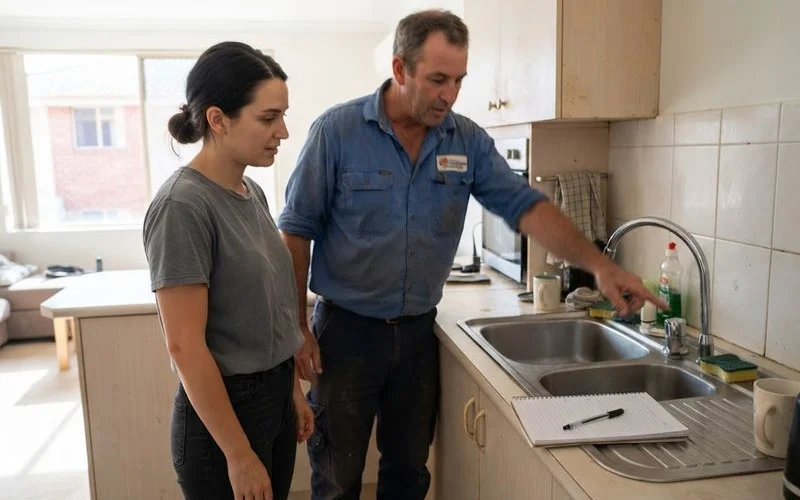
What tenants can and can’t do
Arranging repairs without first notifying the landlord or agent is risky, since it can create disputes about who authorised the cost. WA tenancy law does provide for genuine emergency situations where a tenant may need to act quickly, but the safest approach in almost every case is to report the problem, keep a record of when and how you reported it, and follow up if there’s no response within a reasonable time.
| Situation | Who’s typically responsible | Notes |
|---|---|---|
| Burst pipe or major leak | Landlord | Usually treated as urgent |
| No hot water | Landlord | Usually treated as urgent |
| Dripping tap or slow drain | Landlord | Routine repair timeline |
| Blockage from tenant misuse | Tenant | Only if damage caused by tenant’s actions |
| Fixture wear and tear | Landlord | Part of ongoing property maintenance |
Documenting the problem properly
Whether you’re the tenant reporting an issue or the landlord arranging a fix, clear documentation makes the whole process easier. Photos of the problem when it’s first noticed, a written record of when it was reported and to whom, and any correspondence about the planned repair all help if a disagreement arises later about timing or responsibility. If a plumber attends, ask for a written report or invoice that describes the fault and the fix, since this becomes useful evidence for either party if a dispute needs to go to WA’s tenancy dispute resolution process.
Getting it resolved smoothly
Keep any communication about repair requests in writing, note the date you reported the issue, and if a plumber does attend, get a copy of any invoice or report for your own records. Most disputes in this space come down to unclear communication rather than genuine disagreement about who’s responsible.
This is general information about how plumbing responsibilities usually work between landlords and tenants in WA, not legal advice for your specific tenancy. Your lease agreement and current WA tenancy legislation govern the exact rights and timeframes that apply to you, so check both, or speak with a tenancy advisory service, if a dispute isn’t resolving.
If you need a plumber to assess and document a repair, our Perth plumbing directory is ranked using our published scoring methodology, based on rating, review volume, recency and sentiment.
Frequently asked questions
- Who pays for a burst pipe in a rental property?
- Repairs to the property's plumbing infrastructure, including burst pipes, are generally the landlord's responsibility, since it's their asset. A tenant would typically only be liable if the damage was caused by their own negligence or misuse.
- How fast does a landlord have to fix a plumbing emergency?
- Urgent repairs, such as a burst pipe, no hot water, or a blocked toilet that's the only one in the property, are expected to be actioned promptly rather than left for routine scheduling. What counts as urgent and the exact timeframe can depend on your specific tenancy agreement and WA tenancy law, so check your lease and current legislation if you're unsure.
- Can a tenant call a plumber themselves and deduct the cost from rent?
- Generally not without the landlord or property manager's agreement first, except in narrow emergency circumstances defined under WA tenancy law. Always try to notify the landlord or agent before arranging repairs yourself, and keep records of the attempt.
- Is a dripping tap the landlord's responsibility to fix?
- Yes, general wear and tear on plumbing fixtures is typically the landlord's responsibility to maintain, since it's part of keeping the property in a reasonable condition, not something caused by the tenant's use.