
Plumbing in a deceased estate: what to check before selling the house
By Julian Fischer · Updated 2026-08-12
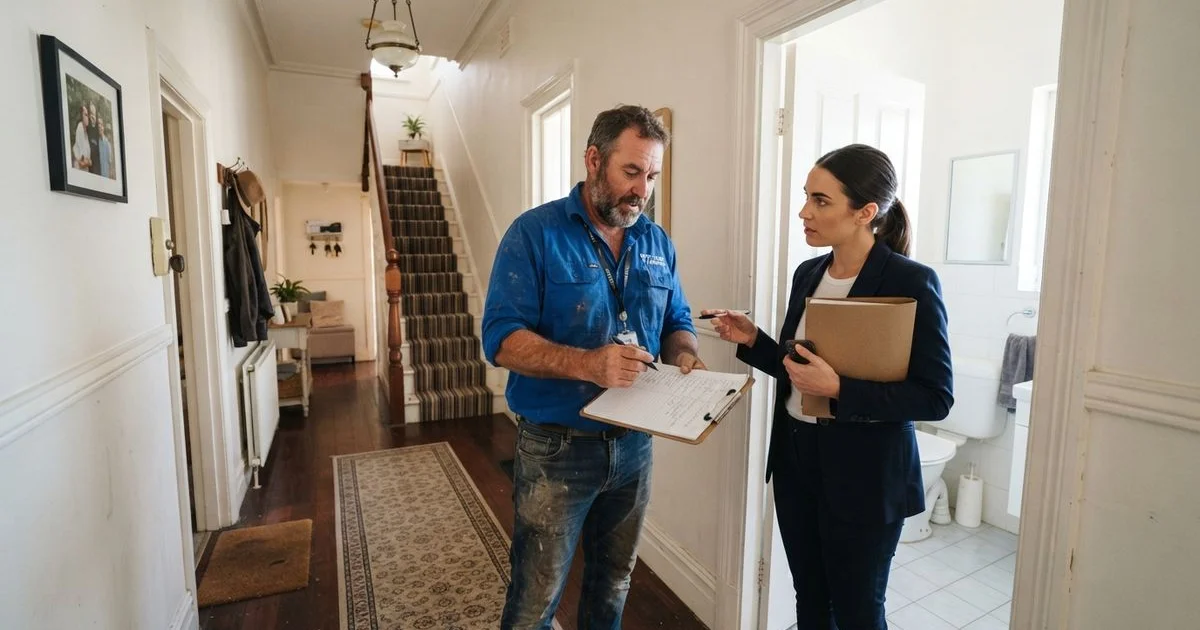
Managing a deceased estate is already a lot to handle, and the practical side of preparing a property for sale, including plumbing, often gets pushed down the list. A short, focused check before listing can prevent bigger surprises during a buyer’s inspection later.
Why this matters more than it might seem
Older Perth homes, especially those owned by one person for decades, sometimes have plumbing that hasn’t been touched in a long time: original galvanised pipework, an aging hot water system, or drainage that was never upgraded through changes in the building code. None of this is anyone’s fault, but it can surface as a concern during a buyer’s building and pest inspection, and unresolved issues found late in a sale process tend to cost more in negotiation than they would have cost to simply fix beforehand.
A practical starting checklist
- Check for active leaks or damage. A property that’s been vacant or under-used for a while may have small leaks that went unnoticed, so a basic check is worth doing early.
- Test the hot water system. If it hasn’t been used regularly, confirm it’s actually working and check its age, since an old or failing unit is a common point buyers raise.
- Look at visible pipework. Ageing galvanised pipe, common in Perth homes built before the 1990s, is worth flagging to a plumber if visible corrosion or previous leaks are apparent.
- Confirm any gas work is certified. If the property has gas appliances, check whether compliance paperwork exists for any past gas fitting work, since this can come up during a sale.
- Clear any known drainage issues. A blocked or slow drain is a quick, relatively low-cost thing to resolve before it becomes a talking point during an open inspection.
- Note any accessibility fittings. If the home included changes such as grab rails, lever taps or a tempering valve for an older resident, our guide on bathroom safety changes for aging parents explains what they’re for, useful context when describing the property to a buyer.
Coordinating access and timing
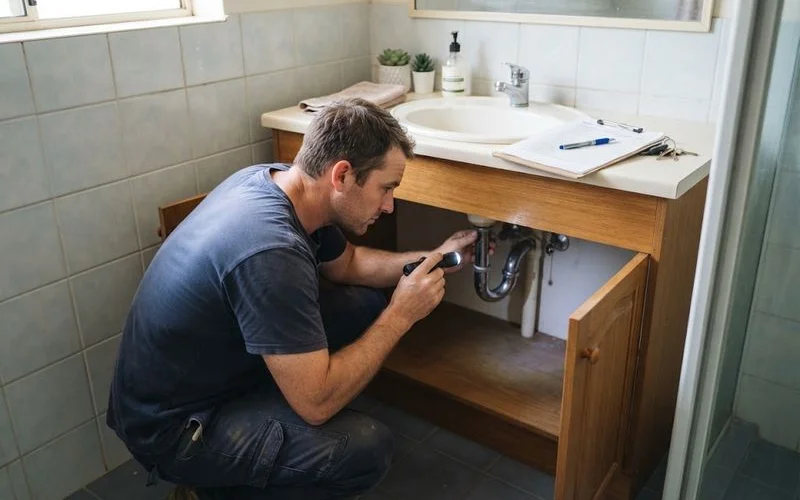
Deceased estate properties are sometimes vacant for a period before a plumber can get access arranged, particularly while probate is being finalised or family members are coordinating from different locations. Where possible, arrange the plumbing check early in the process rather than waiting until the property is about to be listed, since this gives more time to plan repairs, get multiple quotes if needed, or simply factor findings into how the estate is managed. If keys and access are held by an agent or family member, confirm they know to let the plumber into all relevant areas, including any locked outdoor areas where a gas meter or gully trap might be.
Deciding what to fix versus disclose
Not every issue needs to be fixed before listing. As executor, it’s worth weighing the cost of repair against how a buyer or their inspector is likely to view the issue, and discussing this with your selling agent and conveyancer. Sometimes a straightforward, well-documented disclosure is the more sensible path than spending estate funds on repairs, particularly for larger issues like a full re-pipe.
| Check | Why it matters | Typical urgency |
|---|---|---|
| Active leaks | Can cause ongoing damage if unaddressed | High |
| Hot water system condition | Common point buyers or inspectors raise | Medium |
| Visible pipe corrosion | Signals possible wider ageing infrastructure | Medium |
| Gas compliance paperwork | Needed for a smooth settlement | Medium |
| Drainage issues | Quick fix, avoids inspection flags | Medium |
When multiple beneficiaries are involved
Where an estate has more than one beneficiary, decisions about repair spending can take longer simply because everyone reasonably wants visibility into how estate funds are being used. Getting a written quote before committing to any repair, and sharing it with all beneficiaries or their representatives before proceeding, avoids disputes later about whether a particular expense was necessary or reasonable. For anything beyond a small, obviously sensible fix like clearing a slow drain, it’s worth having that conversation early rather than assuming everyone will agree after the fact.
This checklist focuses on estate-specific considerations; for a broader rundown that applies to any house sale, see our guide on plumbing checks before selling a house.
This is general practical guidance, not legal or financial advice about managing a deceased estate. For questions about your specific obligations as executor, including disclosure requirements for a sale, speak with the estate’s solicitor or your conveyancer.
To arrange a general plumbing check on a Perth property, our directory of local plumbers is ranked using our published scoring methodology, based on rating, review volume, recency and sentiment.
Frequently asked questions
- Should the water be left on in an empty deceased estate property?
- Generally yes, so a plumber or agent can check for leaks, but if the property will sit vacant for an extended period, it's worth having a plumber check for any existing leaks or issues first and discussing whether isolating specific outlets makes sense.
- Do older homes in a deceased estate often have plumbing issues buyers will ask about?
- Older Perth homes can have ageing galvanised pipework, older hot water systems, or drainage that hasn't been updated in decades. A pre-sale check gives you the chance to address anything significant before a buyer's building inspection raises it.
- Is it worth fixing plumbing problems before selling, or leaving it to the buyer?
- It depends on the issue and your situation as executor. Minor problems are often worth fixing since they can otherwise become negotiating points that cost more in a reduced offer than the repair itself. More significant issues are worth discussing with your conveyancer or agent to decide the best approach for the estate.
- Who arranges plumbing repairs for a deceased estate, the executor or the family?
- This is generally the executor's responsibility, as the person legally managing the estate's affairs, though in practice family members often help coordinate trades on the ground.