
Gas leaks in Perth homes: warning signs and what to do first
By Julian Fischer · Updated 2026-08-15
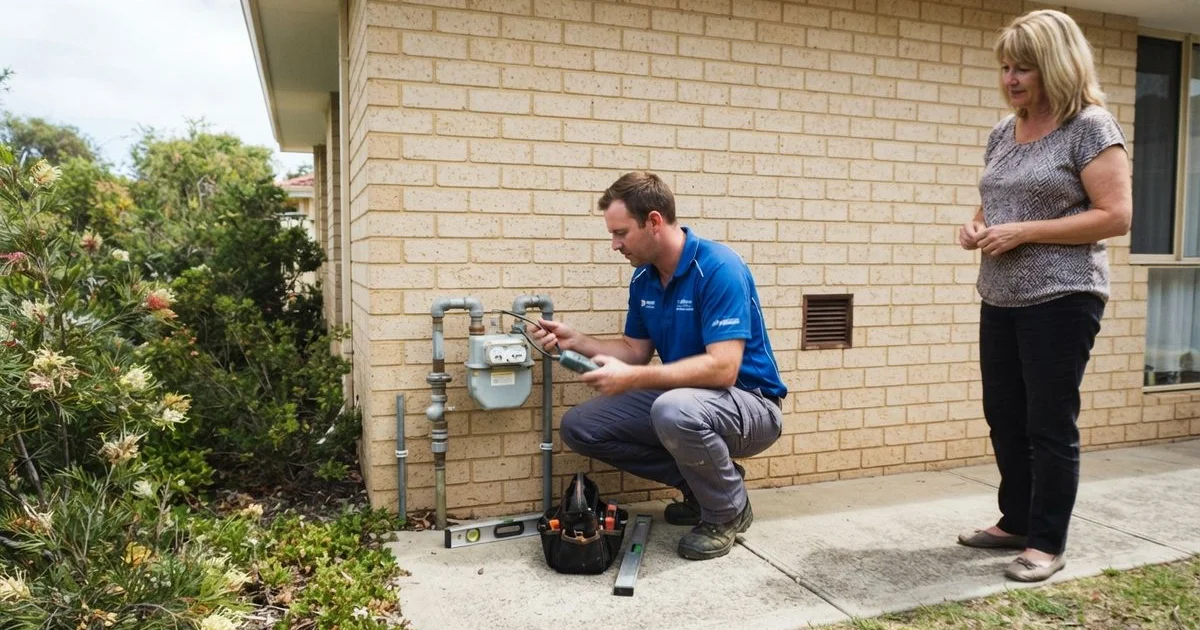
A gas leak is one of the few plumbing-adjacent emergencies where the right response genuinely matters for your safety, not just your property. Knowing the signs and what to do first, calmly and quickly, is worth understanding before you ever need it.
This is general safety information, not a substitute for emergency services or professional advice in an actual gas emergency. If you believe you have a genuine gas leak, treat it as urgent.
Recognising the signs
- Smell. The distinctive, sulphur-like odour added to gas is the most common and reliable warning sign. Trust your nose here.
- Sound. A hissing noise near a gas appliance, meter, or fitting can indicate gas escaping under pressure.
- Dead or discoloured vegetation. Unexplained dead patches of grass or plants, particularly in a line near where underground gas pipe runs, can indicate a slow underground leak.
- Physical symptoms. Headaches, dizziness or nausea that improve when you leave the house and return when you’re back inside can, in rare cases, be linked to a gas issue, though these symptoms have many other causes too.
- Unusually high gas bills. A sudden, unexplained jump in usage without a change in habits is sometimes a sign of a leak somewhere in the system.
What to do first
- Leave the property. Get everyone, including pets, outside and away from the building.
- Don’t create a spark. Avoid light switches, phones, doorbells, matches, lighters or anything that could ignite gas.
- Don’t try to find or fix it yourself. Leave locating and repairing the leak to a licensed gas fitter with the right equipment.
- Call for help from a safe distance. For a serious or immediate risk, call emergency services. Once it’s safe, arrange a licensed gas fitter to inspect and repair the issue properly.
- Don’t re-enter until it’s confirmed safe. Wait for confirmation from emergency services or the gas fitter before going back inside.
Why leaks happen
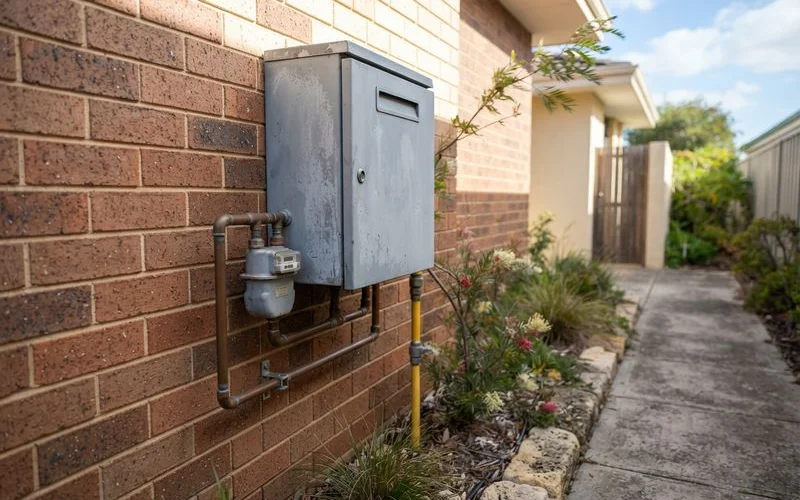
Gas leaks are usually linked to ageing or damaged pipework, a fitting that’s come loose, a faulty appliance connection, or accidental damage during other work like digging or renovations. This is one of the reasons any gas fitting or appliance connection needs to be done by a licensed gas fitter and properly certified: uncertified or DIY gas work is a real risk factor for leaks down the track.
| Warning sign | What it suggests | Action |
|---|---|---|
| Sulphur-like smell | Active gas escaping | Leave immediately, avoid sparks |
| Hissing near a fitting | Gas escaping under pressure | Leave, call for help |
| Dead vegetation over a gas line | Possible slow underground leak | Contact a licensed gas fitter |
| Sudden bill increase | Possible leak somewhere in the system | Arrange an inspection |
Reducing the risk going forward
Regular servicing of gas appliances, using only licensed gas fitters for any connection or repair work, and being alert to warning signs rather than dismissing them all reduce the chance of a leak developing in the first place. If you smell a faint, unfamiliar odour near a gas appliance and you’re not sure whether it’s genuinely gas, it’s still worth having it checked rather than assuming it’s nothing. A licensed gas fitter would rather attend a false alarm than have a genuine leak go unreported.
After the immediate risk is over
Once a licensed gas fitter has located and repaired the issue, ask for the compliance certification confirming the repair meets WA safety standards. This closes the loop properly and gives you documentation for insurance if needed.
If the leak was caused by an appliance rather than the fixed pipework, ask the gas fitter whether it’s a one-off fault or a sign the appliance itself is reaching the end of its safe working life. Ageing gas appliances can develop recurring seal or connection issues, and knowing this early lets you plan a replacement on your own timeline rather than facing another leak scare down the track.
To find a licensed gas fitter for an inspection or repair, our gas fitting category ranks Perth operators using our published scoring methodology. The full plumber directory covers related trades if your property needs more than gas work.
Frequently asked questions
- What does a gas leak actually smell like?
- Natural gas and LPG are odourless in their raw state, so suppliers add a distinctive, sulphur-like or rotten-egg smell specifically so leaks are noticeable. If you smell this near a gas appliance, gas point, or meter, treat it as a genuine leak.
- Can a gas leak happen without a smell?
- It's uncommon but not impossible, particularly with very small leaks that disperse quickly, or if you have a reduced sense of smell. Other signs like a hissing sound near fittings, dead vegetation over an underground line, or unexplained higher gas bills are also worth taking seriously.
- Is it safe to check for a gas leak myself?
- No. Don't use lighters, matches, or try to locate the source yourself, and don't operate light switches or anything electrical near a suspected leak. Leave the property and let a licensed gas fitter investigate with proper equipment.
- Who do I call for a suspected gas leak in Perth?
- For an immediate, serious leak (strong smell, hissing, or any suspicion of danger), leave the property first and call emergency services. For a licensed gas fitter to investigate and repair a leak once it's safe to do so, contact a gas fitting business directly.