
Scalding and hot water safety: why tempering valves matter in WA homes
By Julian Fischer · Updated 2026-08-21
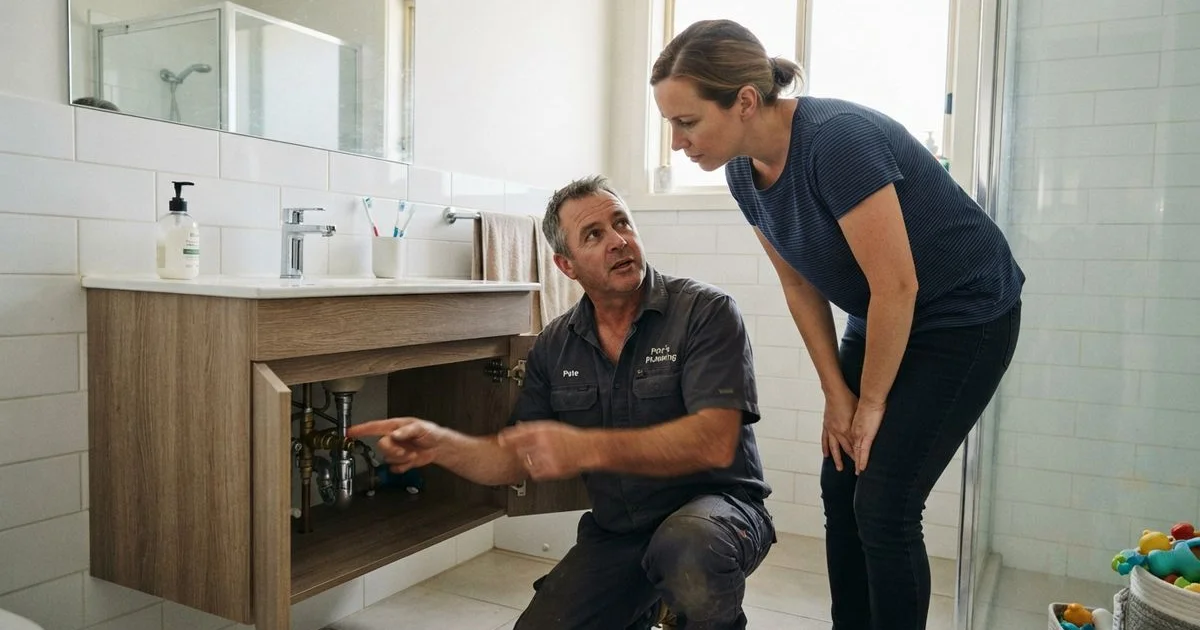
Hot water scalding is a genuinely preventable injury, and the plumbing industry has built specific safety devices into standard practice for exactly that reason. If you’ve ever wondered why your bathroom water never quite reaches the temperature your hot water tank actually stores it at, this is why.
This is general safety information, not medical advice. If someone in your household has been scalded, seek appropriate medical attention.
Why storage temperature and delivery temperature are different
Most storage hot water systems keep water at a relatively high temperature inside the tank, partly because higher temperatures help control bacterial growth like Legionella inside the storage vessel. That stored temperature is too hot to deliver safely straight to a bathroom tap or shower, which is where temperature-limiting devices come in.
Tempering valves and thermostatic mixing valves
Both devices reduce hot water to a safer delivered temperature, but they work slightly differently and suit different situations:
- Tempering valves blend hot and cold water to a set, safer temperature, commonly used for general household delivery points like bathrooms.
- Thermostatic mixing valves (TMVs) respond more precisely and quickly to changes in supply temperature or pressure, and are often specified in higher-risk settings like aged care, healthcare and childcare facilities where scald protection standards are stricter.
A licensed plumber can advise which is appropriate for your household, particularly if you have young children, older family members, or anyone with reduced sensitivity to heat living in the home.
Checking your home is set up safely
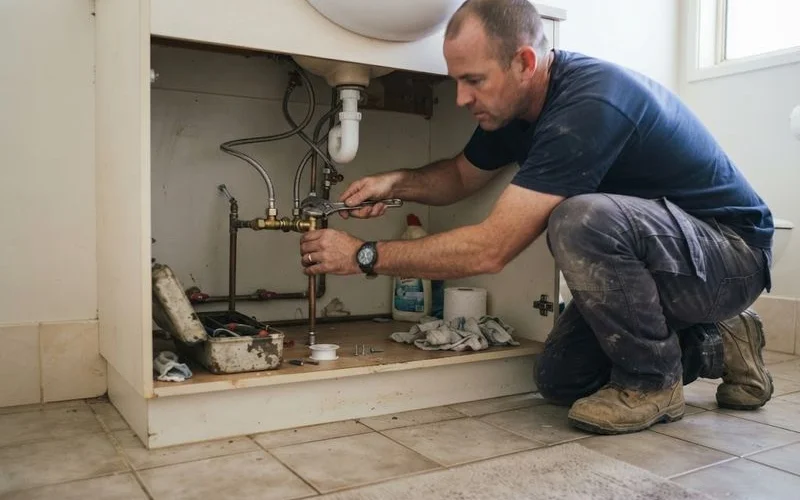
If your hot water system is original to an older home, or you’re not sure when it was last checked, it’s worth asking a plumber to confirm the delivered temperature at your bathroom outlets meets current WA safe delivery requirements. This is a straightforward check, and if a tempering valve isn’t fitted or isn’t working correctly, it’s a relatively small job to install or repair one compared to the risk it manages. If the system is old enough to need replacing anyway, a full hot water system replacement resolves this along with everything else, since compliance sign-off is part of that job.
| Household situation | Why it matters | What to check |
|---|---|---|
| Young children in the home | Higher scald risk, slower to react | Delivered bathroom water temperature |
| Older adults in the home | Thinner skin, slower reaction time | Tempering valve present and working |
| Recently replaced hot water system | Compliance usually addressed at install | Confirm with installer’s documentation |
| Older, unchecked system | Compliance may be outdated | Ask a plumber to test delivery temperature |
Balancing safety with hot water performance
Some households worry that a lower delivered temperature means weaker or less satisfying hot water at the tap. In practice, a correctly set tempering valve or TMV delivers a safe, consistent temperature without noticeably affecting shower comfort, since the difference between a scald-risk temperature and a safe, comfortably hot temperature is smaller than people often assume. If a valve is set overly conservatively and the household finds the water genuinely too cool, that’s a job for a plumber to recalibrate within safe limits, not a reason to remove the safety device altogether.
Maintenance and testing over time
Like any mechanical component, tempering valves and thermostatic mixing valves can drift out of calibration or fail over years of use, particularly in areas with harder water where mineral buildup affects moving parts. A valve that’s no longer working correctly might deliver water hotter than intended without any obvious external sign, which is exactly why periodic checking matters rather than assuming a valve fitted years ago is still doing its job. If your hot water system is due for a service, ask the plumber to check the tempering valve or TMV at the same time, since it’s a small addition to an existing visit rather than a separate callout.
What to do if you’re not sure
Don’t guess based on how the water feels; ask a licensed plumber to test and confirm the actual delivered temperature at your taps. If a valve needs adjusting, repairing, or fitting for the first time, this is routine plumbing work and generally not a major job.
To find a Perth plumber who can check your hot water system’s safety setup, our hot water systems category ranks local operators using our published scoring methodology, and the full plumber directory covers related trades.
Frequently asked questions
- What temperature should hot water be delivered at to avoid scalding?
- WA regulations set safe delivery temperature limits for hot water at bathroom and other sanitary outlets, which is why tempering valves or thermostatic mixing valves are commonly fitted. A licensed plumber can confirm your home's delivered temperature meets current requirements.
- Does my hot water system need a tempering valve if it already has a thermostat?
- Often yes. The thermostat on a storage system controls the temperature inside the tank, which is usually kept higher than is safe to deliver directly to a tap, partly to control bacteria growth in the tank. A tempering valve reduces that stored temperature down to a safer level at the point of use.
- Are older Perth homes less likely to have proper scald protection?
- It depends on when the hot water system was last replaced or serviced, since safety requirements have been reinforced over the years. If your system is original to an older home and hasn't been checked recently, it's worth having a plumber confirm it complies with current safe delivery temperature requirements.
- Who is most at risk of a hot water scald injury?
- Young children and older adults are generally at higher risk, both because of thinner or more sensitive skin and slower reaction times to pull away from water that's too hot.
Related on this site
- Browse hot water systems providers
- What to expect when you get your hot water system replaced in Perth
- Free and low-cost help with hot water systems in WA: rebates and payment plans
- Gas leaks in Perth homes: warning signs and what to do first
- Sewage and blocked drains: the health risks of leaving it too long
- All guides →