
Sewage and blocked drains: the health risks of leaving it too long
By Julian Fischer · Updated 2026-08-18
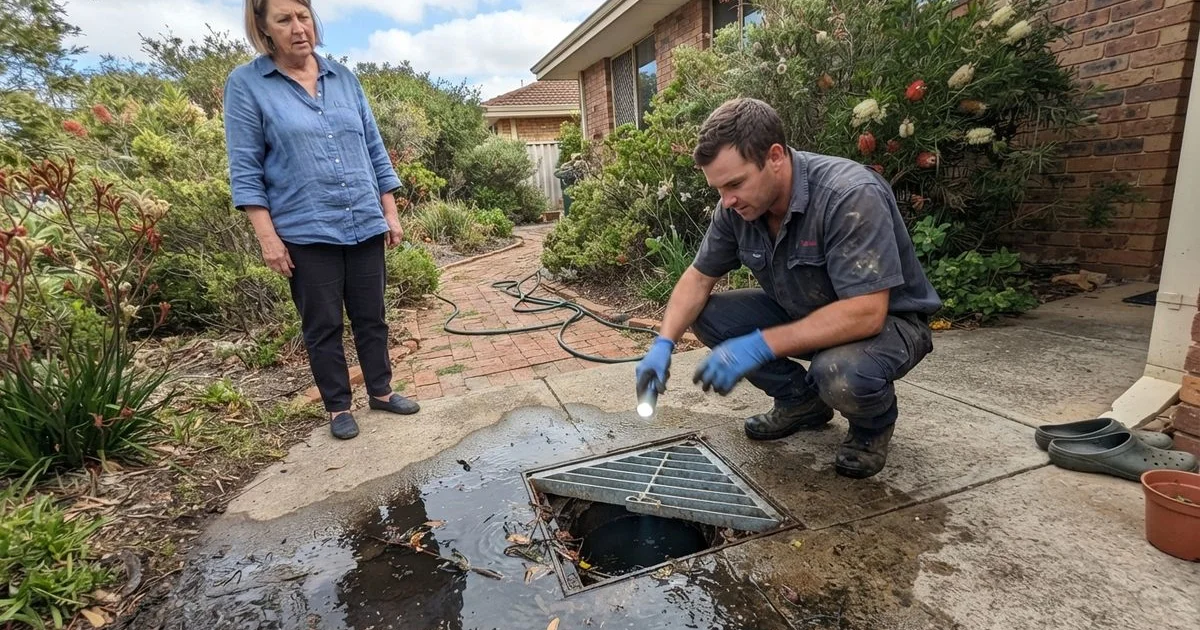
A blocked drain is easy to treat as a minor inconvenience right up until it isn’t, particularly when it involves sewage rather than just slow-draining water. The health side of this problem is worth understanding, not to cause alarm, but so you know when to treat it as genuinely urgent.
This is general safety information, not medical advice. If you or a family member has been exposed to sewage and develops symptoms like fever, vomiting or infection around a wound, seek medical attention.
Why sewage exposure is a real health risk
Wastewater carries bacteria, viruses and parasites that don’t belong in a living space. Direct contact, through skin (especially broken skin), inhalation of contaminated aerosols, or accidental ingestion, particularly by young children or pets exploring at floor level, can lead to gastrointestinal illness or infection. This is the main reason a sewage backup is treated differently from an ordinary blocked sink: it’s a contamination issue, not just a drainage inconvenience.
Signs it’s more than a simple blockage
- Multiple fixtures affected at once, such as a toilet, shower and laundry all backing up together, which usually points to a main line blockage rather than one fixture.
- Visible sewage or wastewater coming up through a floor drain, toilet, or outdoor gully trap.
- A persistent sewage smell even without visible overflow, which can indicate a dry trap or a venting problem letting sewer gas into the house.
- Water pooling outside near an outdoor drain or inspection point.
Any of these, especially the first two, are reasonable grounds to call an emergency plumber rather than waiting for a standard appointment.
What to do if sewage backs up
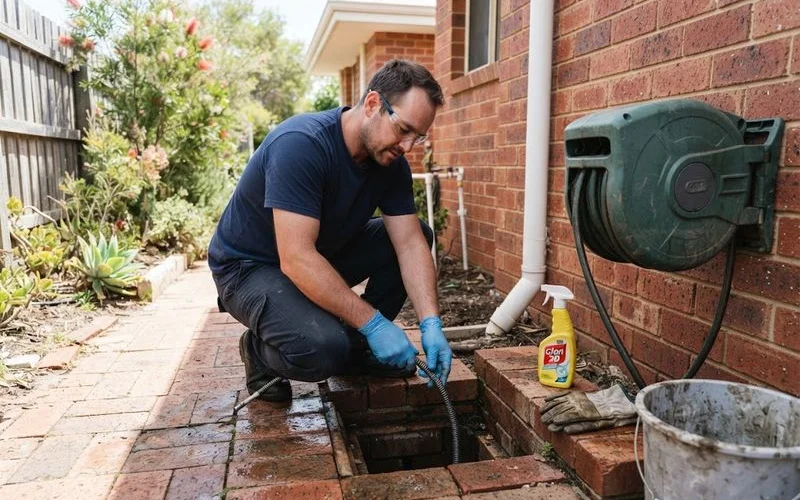
Keep children and pets away from the affected area, avoid direct contact with any standing water, and don’t try to clear a significant blockage or clean up sewage yourself without proper protective equipment. Ventilate the area if it’s safe to do so, and call a plumber who can both clear the blockage and advise on appropriate cleanup, since simply mopping up without addressing contamination isn’t enough for anything beyond a trivial spill.
| Situation | Risk level | Recommended action |
|---|---|---|
| Slow drain, no smell or backup | Low | Book a standard appointment |
| Persistent sewage smell, no visible backup | Medium | Have a plumber investigate promptly |
| Multiple fixtures backing up together | High | Treat as an emergency |
| Visible sewage overflow | High | Emergency plumber, keep people and pets away |
Proper cleanup after a sewage-related blockage
Once the blockage is cleared, the affected area needs more than a standard mop and bucket if sewage has actually touched surfaces or flooring. Contaminated surfaces should be cleaned with appropriate disinfectant, and porous materials like carpet underlay that have absorbed wastewater often can’t be adequately cleaned and may need replacing. A plumber can advise on the extent of contamination based on what they find, and for anything more than a minor spill, a professional cleaning or restoration service is worth bringing in alongside the plumbing fix itself, rather than treating cleanup as an afterthought.
Preventing it from becoming a health issue
Regular drain maintenance, particularly in older homes with established trees near ageing pipe, reduces how often a blockage becomes serious enough to cause a backup. If your property has a history of recurring blockages, a CCTV inspection can identify the underlying cause before it turns into a genuine sewage exposure risk.
Households renting out a property or managing one on someone else’s behalf have an extra reason to stay ahead of this: a sewage backup affecting a tenant is both a health issue and a habitability problem that needs addressing urgently, not on a routine repair schedule. Keeping a record of any past blockages and what caused them helps identify a pattern worth investigating properly, rather than repeatedly paying for the same quick fix.
To find a plumber for an urgent or routine drain issue, our drain and blocked drains category ranks Perth operators using our published scoring methodology, and the full plumber directory covers other trades if needed.
Frequently asked questions
- Is it safe to clean up sewage backup myself?
- For anything beyond a very small, contained amount, it's better left to a professional with the right protective equipment and cleaning approach. Sewage can carry bacteria and pathogens that pose a genuine infection risk, particularly through cuts or mucous membranes.
- Can a blocked drain make you sick even without visible sewage?
- Yes, in some cases. Standing water and organic buildup in a chronically blocked drain can encourage mould and bacterial growth, and sewer gas escaping from a faulty seal or trap can affect indoor air quality even without an obvious backup.
- How urgent is a sewage smell without any visible overflow?
- Treat it as worth investigating promptly. A persistent sewage smell often means a dry trap, a faulty seal, or a venting issue letting sewer gas into the home, and it's worth having a plumber check rather than just masking the smell.
- Are children and pets more at risk from a blocked drain than adults?
- Generally yes, since they're more likely to come into direct contact with contaminated water or surfaces at floor level, and can be more sensitive to airborne contaminants. Keep them away from any area affected by a sewage-related blockage until it's been professionally cleared and cleaned.